Core Spreads are now Trade Nation. At the moment, they are running both platforms side by side, but only the Trade Nation platform is accepting new clients.
There are two important reasons that I recommend you switch your account across to Trade Nation now.
First off, the platform – while almost identical to the one you’re familiar with – has some nice new features, and is slick and functions really well.
Second, I’m not sure how long we’ll be able to access the old Core Spreads platform. While they have no plans at the moment to close it down, I suspect that maintaining it running smoothly will become less of a priority. Therefore, I feel it’s best to jump across before waiting for Core Spreads to migrate accounts or just run them down.
Opening an account with Trade Nation is simple to do, and once you’re logged in, it should all look very familiar (just coloured in orange rather than green!)
I’ve been using it for a while now and it has all worked smoothly – in fact, I prefer their new charts.
Here’s what you need to know …
Step One: Getting Set Up
First off, get signed up by clicking on the link below …

Click on the ‘join us’ button in the top left, and you’ll be guided through the sign-up process

During the set-up process, you’ll be asked if you want to set up a live or demo account. I’m assuming you’ll want to go straight ahead with a live one, but you can also link a demo account to this once you’ve set up your live account.
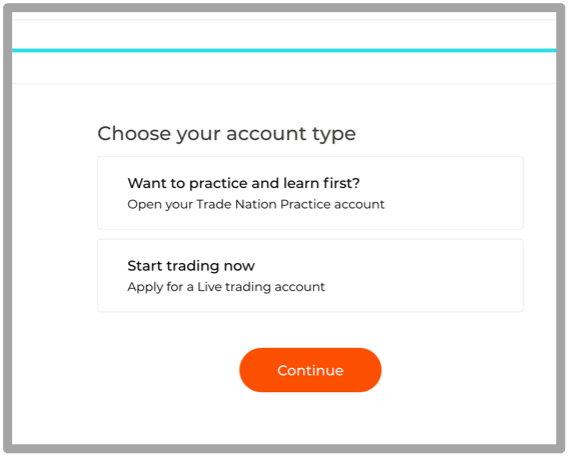
Remember that when opening a live account, you’ll need to show you have an understanding of trading, so will be given some questions. They’ll also ask about your income, and some personal details, like an NI number, or passport number (it depends on your nationality).

I thought it might be helpful to have sight of the kind of questions you’ll get asked – there’s nothing that should faze a Heikin Ashi member, but if you have any doubts about your knowledge, you can always have a glance through the information HERE.
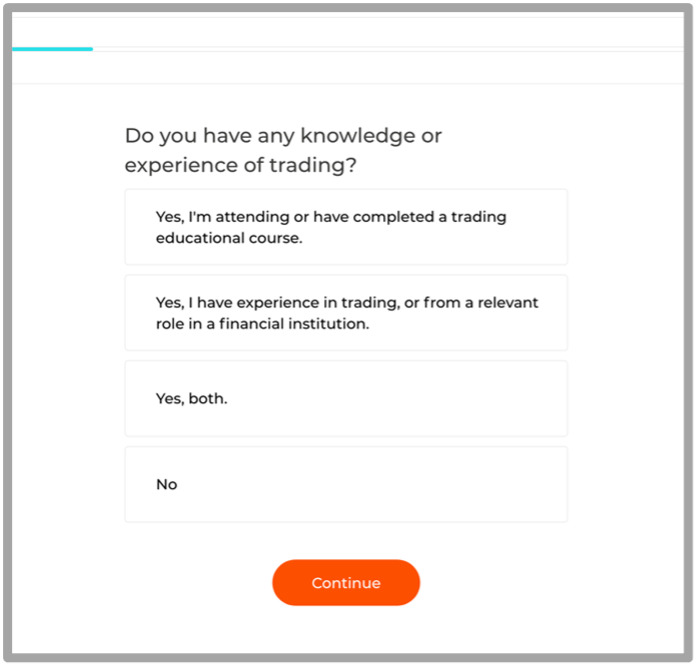
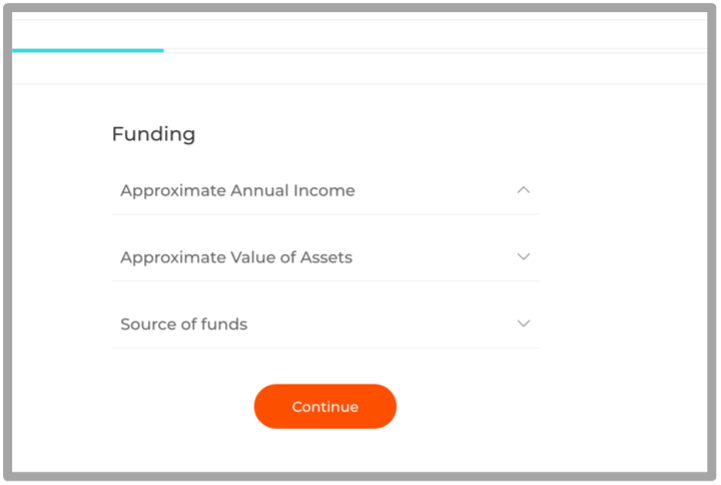
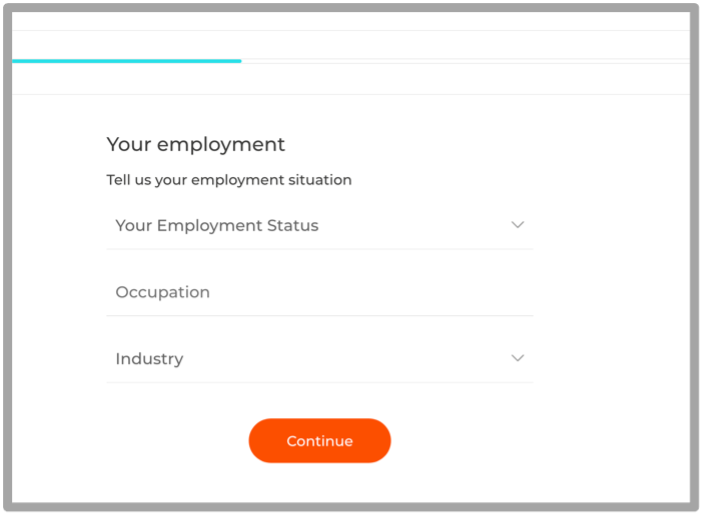
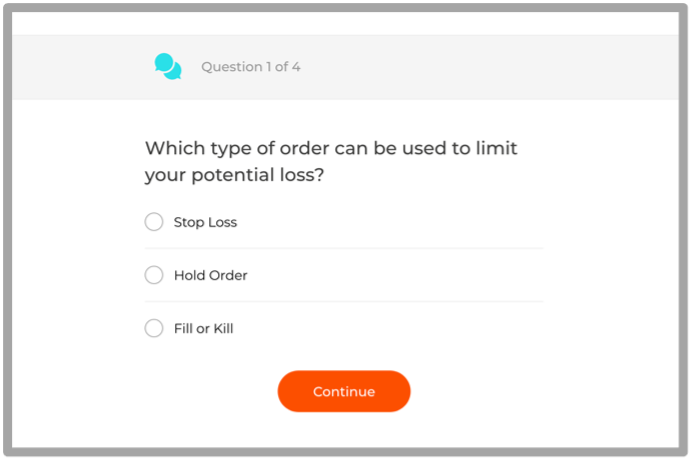

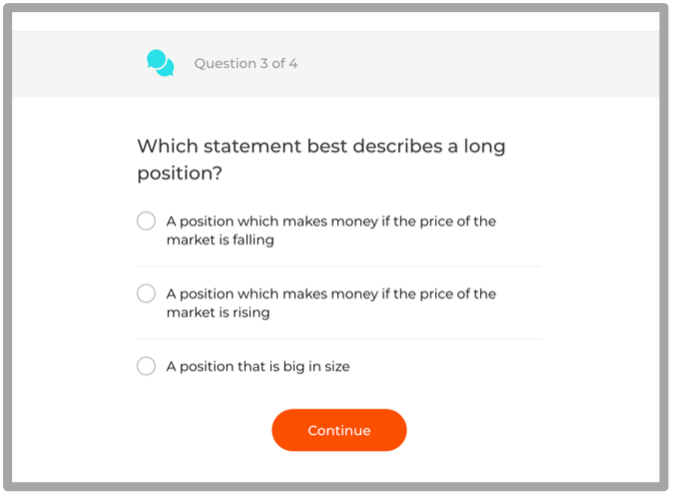
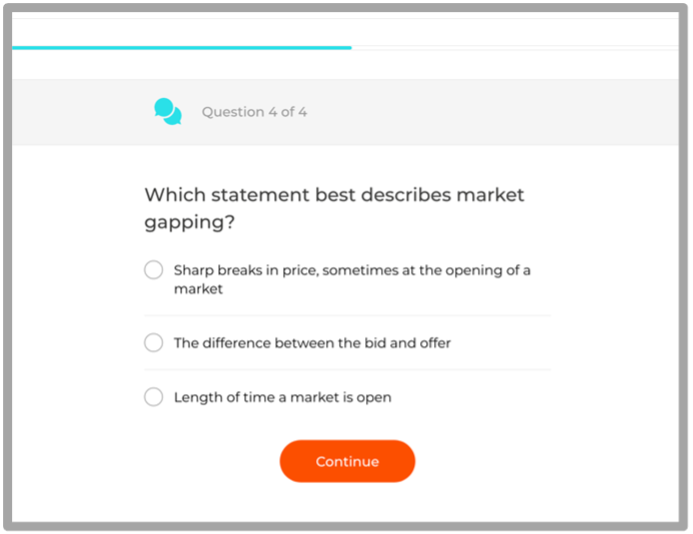
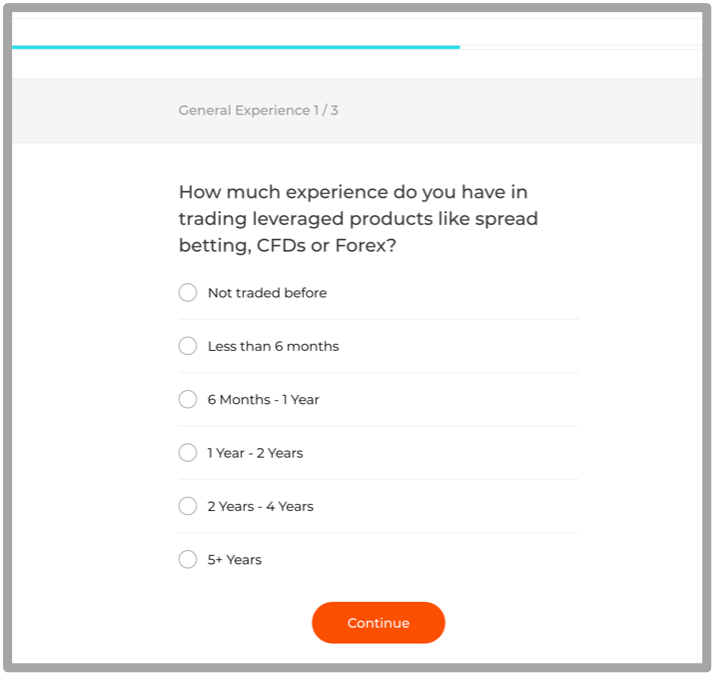
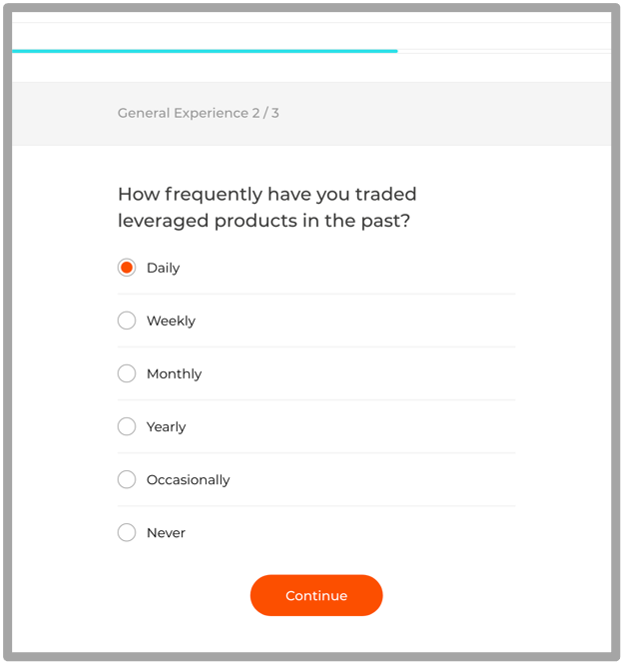
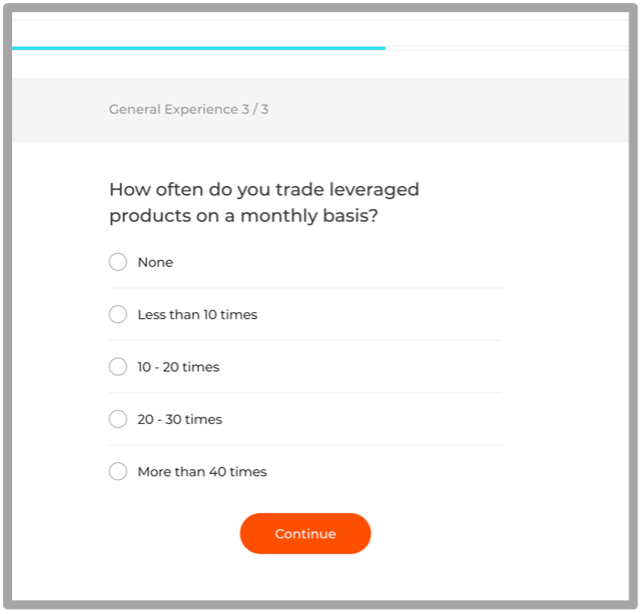
As you can see, nothing too onerous there. Then it’s just a case of giving some personal details and letting them know which currency you’d like your account in.
Step Two: Exploring The New Platform
So, once you’re set up with your new account, logging in will bring you to this page …
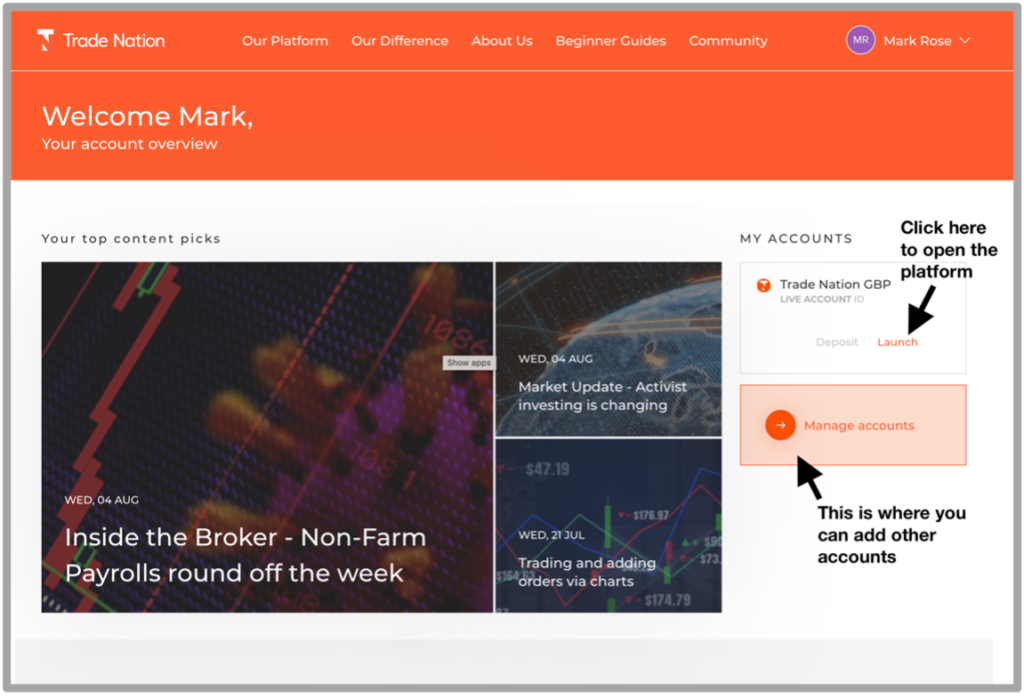
From where you launch the platform …
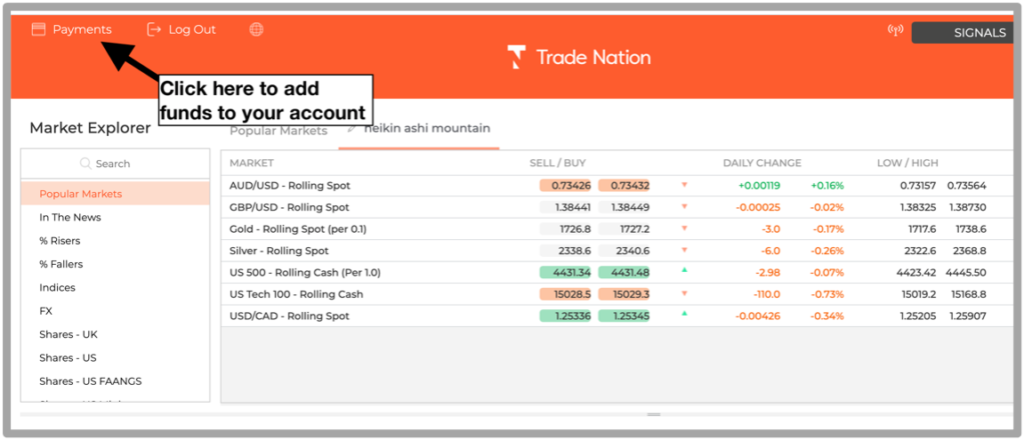
Once you’re in the platform, you’ll find it almost identical to the Core Spreads one. However, there are a few neat upgrades on the charts which I’ll show you here …
Open up a chart you already have a position running on, and you can view your open trades …
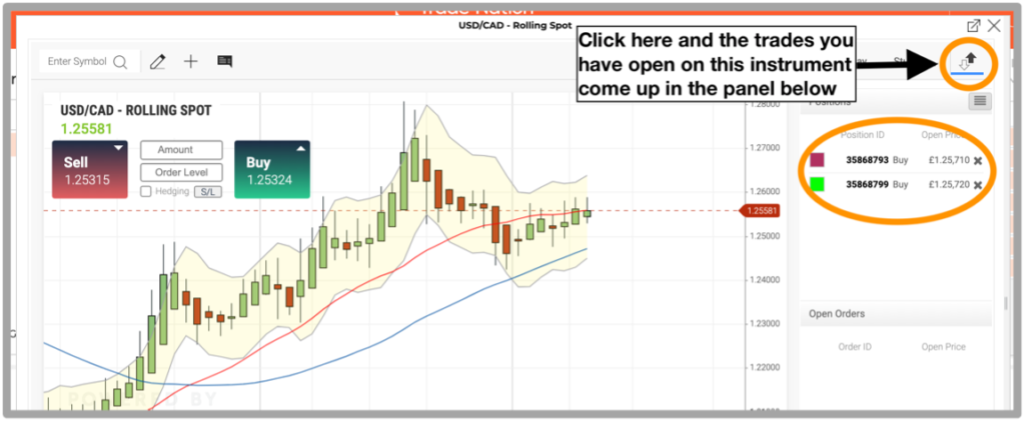
Click on one of these trades, and the entry, stop and limit will show on the chart …

Now, when you want to adjust your stop levels, you can simply click and drag the line on the chart. It’s tricky to get this exactly right when doing it by hand, but a box pops up that allows you to key in the new figure.
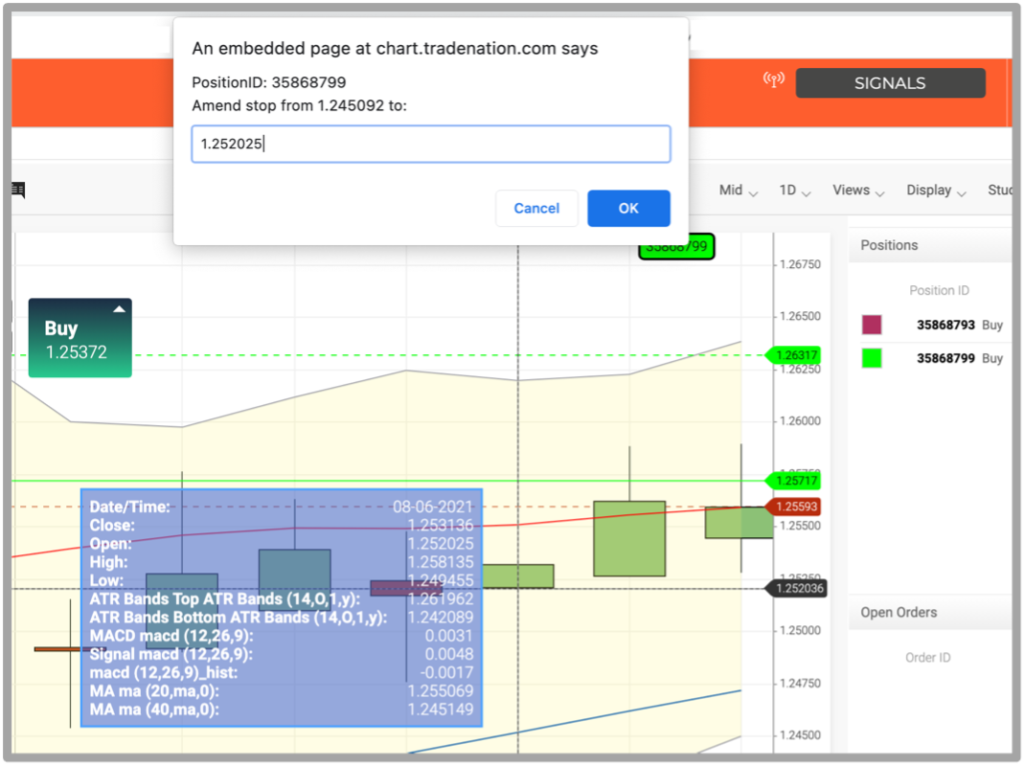
Of course, you can still change the stop levels exactly the way we’ve always done them, if you prefer. One of the big advantages of working directly on charts is that we become more aware of key levels that could help or hinder our progress.
You can also close out positions directly within the chart, by just clicking on the little cross next to it …
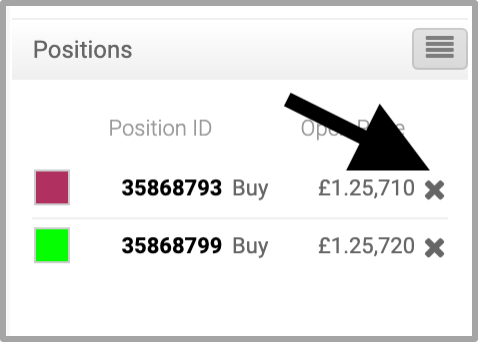
There are other enhancements, which don’t really affect our Heikin Ashi Mountain trading – like being able to change charts from mid-price to the buy or sell price. I suggest you explore the platform and get to grips with it.
As always, any questions, please just drop me an email.
Regards
Mark
Thames Publishing Services Ltd its products and representatives do not provide individual investment advice. Therefore any information provided by the company’s products or representatives or publicity material are not to be read or taken as any form of trading advice nor a solicitation to trade and is designed for educational purposes only.
In the UK you may wish to open a spread-betting account to trade the strategy outlined in Heikin Ashi Mountain. Thames Publishing Services recommend Trade Nation as we believe they are the suitable broker to use for this strategy, however it is possible to use other platforms if preferred. Thames Publishing Services Ltd receives a commission from Trade Nation.
The user agrees that the author and publisher will accept no responsibility or liability for any loss/losses caused either directly or indirectly as a result of using the product or following its signals or methods generally. This includes problems with software, and any errors or omissions.
Past performance is not necessarily a guide to future profitability.